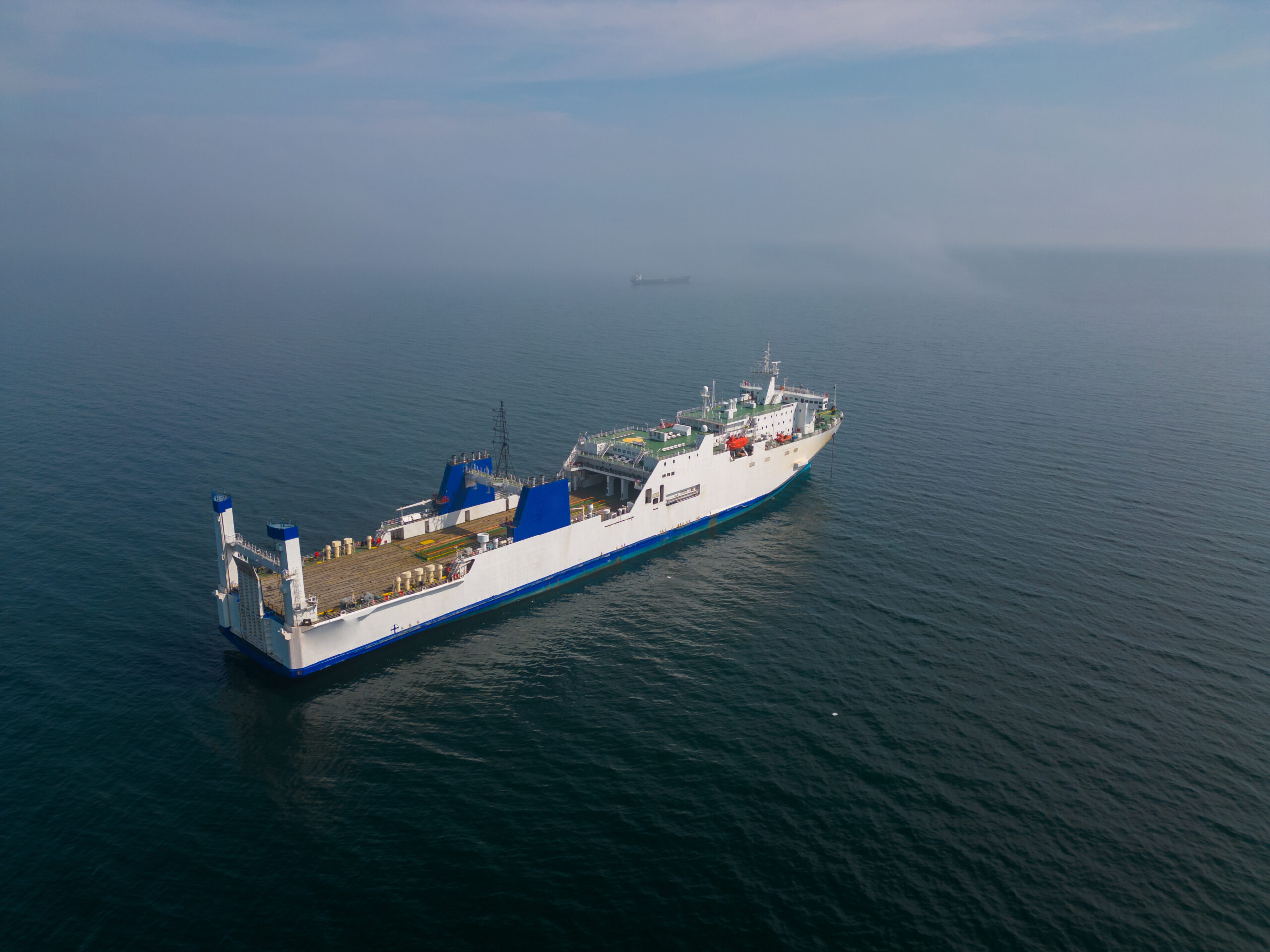
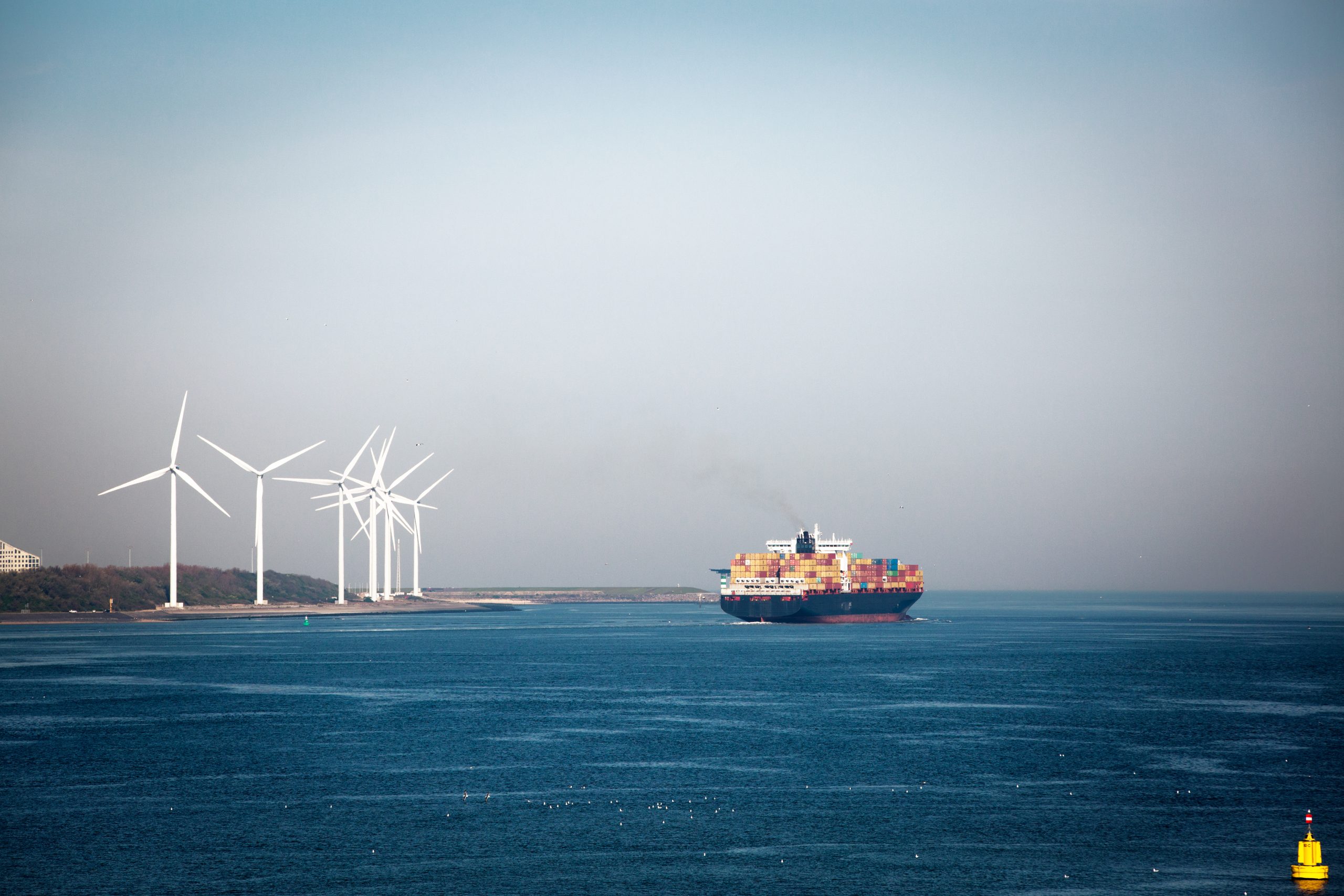
Diesel has long been the fuel of choice for maritime use. However, events such as stricter emissions regulations, rising fossil fuel costs, and growing pressure from regulators and customers alike are steering operators toward cleaner, more sustainable propulsion technologies. Among these, hydrogen fuel cell technology has emerged as a frontrunner, offering the promise of zero-emission shipping without sacrificing performance.
Buzz aside, however, a practical question remains: is hydrogen fuel actually cheaper than diesel for ships? The answer to this all-important question isn’t black and white—but it’s certainly trending in a direction maritime operators can’t afford to ignore.
What Are Hydrogen Fuel Cells?
At the core of this conversation lies the hydrogen fuel cell system—a clean energy system that converts hydrogen gas into electricity using an electrochemical process. Unlike internal combustion engines, these fuel cells produce electricity without burning fuel, meaning they emit zero greenhouse gases—just water vapour and heat.
In a maritime context, hydrogen fuel cell generators can either fully replace diesel engines or work in hybrid configurations alongside batteries. With increasing advances in hydrogen cell technology, we’re now seeing viable systems capable of powering everything from ferries and tugboats to larger commercial vessels.
Hydrogen Fuel Vs Diesel: Breaking Down The Costs
To understand whether hydrogen is cheaper than diesel, we need to look beyond pump prices and explore the full spectrum of costs associated with both fuels.
1. Fuel Price Comparison
Let’s start with raw fuel costs. Diesel prices fluctuate constantly but generally hover between $700–$1,000 per metric ton for marine bunker fuel. On the other hand, hydrogen prices can vary significantly based on production methods and regional infrastructure.
Green hydrogen—produced via electrolysis using renewable energy—is currently still more expensive than diesel, typically ranging from $4–$6 per kilogramme. Meanwhile, blue hydrogen — made using carbon capture — ranges from $1.5-$4 per kilogramme. However, here’s where it gets interesting: hydrogen is much more efficient. Diesel engines only convert about 35–40% of the energy in the fuel into useful work. Hydrogen fuel cells, on the other hand, can hit 50–60% efficiency.
That means ships running on hydrogen need less of it to do the same job. So while hydrogen may cost more per unit, it might not cost more per trip. In many cases, depending on the route and vessel, it could even cost less — and if you factor in the penalties from regulations like the European Union’s FuelEU Maritime for emissions from diesel engines, the cost picture becomes even more interesting.
2. Operational and Maintenance Costs
One of the hidden costs of diesel propulsion is maintenance. Marine diesel engines require frequent servicing, oil changes, cleaning, and component replacements due to wear from internal combustion and corrosive emissions. Hydrogen fuel cells, on the other hand, have few moving parts and no exhaust systems to clean, making them significantly easier and cheaper to maintain over time.
Less downtime, fewer parts to replace, and no need for expensive after-treatment systems (like scrubbers or SCRs) all contribute to lower operating costs for hydrogen-powered vessels in comparison to traditional diesel ships.
3. Infrastructure Costs
Infrastructure is currently the biggest hurdle for widespread hydrogen adoption. Most ports aren’t yet equipped with hydrogen refuelling stations, and installing onboard hydrogen storage systems can be complex—particularly for large vessels.
But momentum is building. Fuel cell companies, governments, and port authorities are investing heavily in hydrogen infrastructure, particularly in Europe and Asia. Recently, the European Commission just announced a €33 million investment through the Alternative Fuels Infrastructure Facility to develop 35 new hydrogen refuelling stations across the continent.
As demand grows, we can expect economies of scale to kick in, driving costs down for everyone — including the maritime industry. For operators already thinking long-term, early adoption might be worth it—especially if you’re working regionally, on shorter routes, or near pilot-ready ports.
4. Compliance and Carbon Penalties
This is where hydrogen starts to shine. New regulations—like the FuelEU Maritime initiative, the IMO’s carbon intensity targets, and carbon pricing systems—are making diesel more expensive, not just in direct cost, but in compliance-related fees and retrofitting costs.
By switching to hydrogen fuel cell generators, maritime operators can avoid emissions penalties, qualify for green subsidies, and stay ahead of regulatory pressures. In this context, hydrogen becomes not just a clean option—but also a financially strategic one.
Real-World Use Cases
Across the globe, hydrogen-powered fuel cells are already proving their worth in different use cases, such as within motorsport endurance and rally trials.
The MissionH24 program, which aims to develop hydrogen as fuel for motorsport, has used Symbio’s fuel cell stacks as a core power source for its hydrogen-electric racing prototype since 2018.
The latest iteration is the H24EVO, which was unveiled in 2024 and uses multi-stack Symbio cells that have proven in static and on-track demos to have 50% higher power density. Powered by these cells, this prototype has successfully completed 24-hour race-distance runs under extreme conditions without a performance drop.
Also in 2024, the Pioneer 25 was unveiled — the first-ever hydrogen-powered race car purpose-built for Extreme H, the world’s first hydrogen racing championship. It is powered by the Symbio StackPack™ 75 (the basis of our PROTEUS® 75 maritime fuel cell), and the fuel cell’s capability has been put to stringent test by subjecting it to hot, humid and rocky environments in order to validate fuel cell output stability and structural integrity.
As leading fuel cell companies continue to refine their technologies, identify expansion opportunities and reduce production costs, adoption is expected to accelerate significantly across not just the motorsport industry, but also the maritime industry by 2030.
Is Hydrogen Ready for Prime Time?
While diesel still dominates the current marine fuel landscape, it’s increasingly being seen as a short-term solution as the transition towards cleaner energy gains momentum. Hydrogen fuel cell technology is rapidly maturing, with lower costs, higher efficiency, and greater political will driving it forward.
For short-sea shipping, ferries, harbour vessels, and inland cargo ships, hydrogen is already a competitive option. Larger vessels with longer ranges may require hybrid systems—combining fuel cell systems with batteries or other zero-emission tech—but the pathway is becoming clearer every year.
Crucially, hydrogen fuel cells are future-proof. As more renewable energy comes online and green hydrogen becomes cheaper, ships using this tech today will only become more cost-effective over time.
Future-Proof Your Fleet with Proteus Energy
Ultimately, the unvarnished truth is that right now, in terms of immediate fuel costs, diesel still holds a slight edge. But when you factor in efficiency, maintenance, environmental penalties, and future scalability, hydrogen is emerging as the smarter long-term investment.
At Proteus Energy, we believe that the maritime industry is on the verge of a fuel revolution — and that early adopters will get the proverbial worms. Whether you’re exploring hybrid vessel conversions or building zero-emission ships from scratch, we’re here to help you transition confidently into the future with our cutting-edge hydrogen fuel cell solutions designed specifically for maritime operations.
Our expert team brings decades of marine and clean energy experience to every project, helping operators reduce emissions, cut fuel costs, and stay ahead of regulations. Let’s build a cleaner, more profitable shipping industry—together.